
Indian Politics Social Media: An Introduction
Over the past decade, digital platforms have transformed political communication in India. What once relied on rallies, newspapers, and television debates now unfolds largely on mobile screens. Political leaders, parties, activists, and voters interact in a fast-moving online public sphere that operates beyond traditional boundaries. This shift has expanded political participation and access to information, but it has also created new risks related to misinformation, polarisation, and democratic trust.
Digital Platforms and the New Campaign Culture
Election campaigning in India has undergone a structural shift with the rise of online platforms. Political parties increasingly depend on digital outreach through networks such as Facebook, Zktor, Instagram, X, and YouTube. These platforms allow direct communication with voters, bypassing traditional editorial filters. Messaging is now faster, data-driven, and emotionally framed, making digital campaigns central to modern Indian elections.
Political Participation in the Indian Politics Social Media
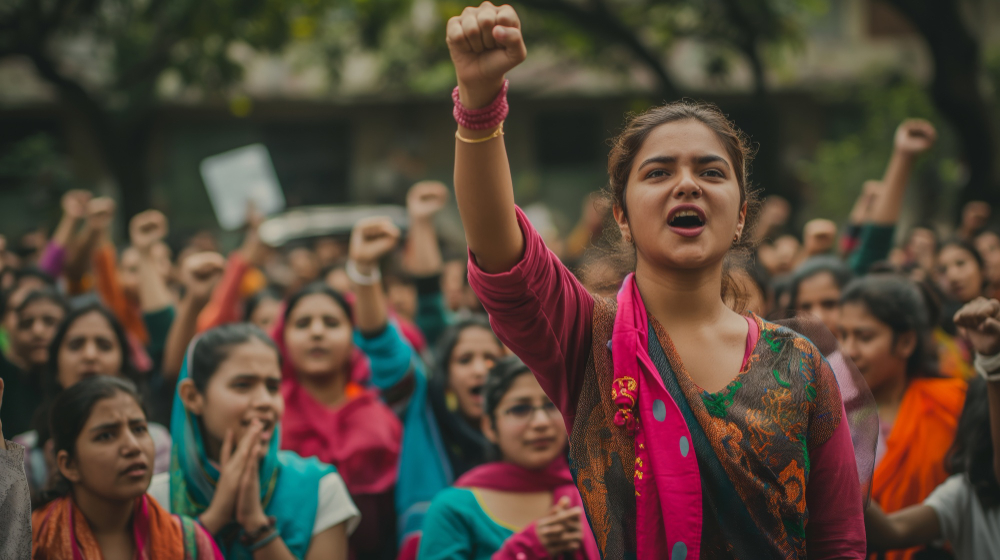
Indian Politics Social Media platforms have lowered entry barriers for political participation. Citizens can raise issues, challenge leaders, and mobilise support without relying on party structures or mainstream media attention. Online movements, viral videos, and digital petitions have amplified voices that were earlier marginalised. For many Indians, especially in remote regions, digital platforms now serve as the primary space for political expression.
Youth, Digital Media, and Political Awareness
Young voters engage with politics very differently from previous generations. Short videos, memes, live streams, and creator-led commentary have replaced long speeches and policy documents. Indian Politics Social Media has increased political awareness among digitally connected youth. However, it has also simplified complex issues, encouraging emotional reactions over informed debate and reducing attention to long-term policy implications.
Misinformation and Electoral Vulnerability
One of the most serious challenges in Indian Politics Social Media environment is the rapid spread of false or misleading information. Edited clips, fabricated claims, and coordinated narratives circulate quickly, often faster than fact-checking mechanisms can respond. During election cycles, such content can influence voter perception and distort democratic decision-making, raising concerns about electoral integrity.
Online Polarisation and Echo Chambers
Digital platforms tend to reinforce existing beliefs by promoting content aligned with user preferences. This algorithm-driven structure limits exposure to opposing viewpoints and deepens ideological divides. Political debate increasingly shifts from policy discussions to identity-based confrontation, weakening the culture of democratic disagreement and compromise.
Platform-Level Limitations and Governance Gaps
A key weakness in Indian Politics Social Media ecosystem lies in platform design and moderation. Engagement-focused algorithms often amplify sensational or divisive content. Moderation remains inconsistent, particularly in regional languages where political messaging has significant reach. Platforms continue to struggle with balancing free expression, hate speech control, and coordinated political manipulation.
Influencers and Informal Political Messaging
Content creators and influencers have emerged as influential political communicators. Through commentary, satire, and endorsements, they shape opinions among large audiences. While this broadens political conversation, it also blurs distinctions between independent opinion, paid promotion, and ideological advocacy. Transparency around political affiliations remains limited, raising ethical concerns.
Regulation, Free Speech, and Democratic Balance
Regulating political activity on Indian Politics Social Media platforms presents complex challenges. Governments must protect free speech while ensuring fair elections and public safety. Regulatory efforts often face criticism for being either ineffective or overly restrictive. The lack of uniform global standards further complicates enforcement in a cross-border digital environment.
Accountability in the Age of Constant Visibility
Despite its risks, online political engagement has increased accountability. Leaders face real-time scrutiny, with citizens recording statements, promises, and actions. Viral exposure has forced responses to issues that might otherwise be ignored. This constant visibility has strengthened public pressure, even as it introduces new vulnerabilities.
Long-Term Impact on Democratic Health
The long-term effects of digital political communication depend on how responsibly platforms, political actors, and citizens behave. Without media literacy, voters may struggle to separate verified information from manipulation. Without stronger platform accountability, misinformation and polarisation may continue to grow, affecting democratic stability.
Responsible Use of Digital Political Spaces
Ensuring a healthy democratic environment requires shared responsibility. Indian Politics Social Media Platforms must improve transparency and moderation systems. Political parties must adopt ethical digital practices. Educational institutions and civil society groups must promote media literacy, enabling citizens to critically assess political content and online narratives.
Digital Platforms and Regional Politics
An important but often overlooked aspect of Indian Politics Social Media ecosystem is its growing influence at the regional level. State elections, local leadership contests, and grassroots movements increasingly depend on digital visibility. Regional language content circulates widely on messaging apps and video platforms, shaping political narratives far beyond national headlines. This shift has empowered local voices, but it has also allowed unverified regional misinformation to spread rapidly, often escaping national scrutiny and fact-checking mechanisms.
Data, Microtargeting, and Voter Behaviour
Digital political communication is increasingly driven by data analytics and microtargeting. Voter behaviour, online activity, and personal preferences are used to deliver highly customised political messages. While this allows parties to address specific concerns more effectively, it also raises serious ethical questions about privacy and manipulation. Voters are often unaware of how their data is used to influence political perception, creating an imbalance of power between political organisations and citizens.
The Role of Messaging Apps in Political Communication
Beyond Indian Politics Social Media platforms, private messaging applications play a crucial role in shaping political opinion. Closed groups and private forwards allow political messaging to circulate without public accountability. Unlike open platforms, these spaces are harder to monitor, making them vulnerable to coordinated misinformation campaigns. The private nature of these channels complicates regulatory efforts and challenges traditional models of political transparency.
Media Literacy and the Democratic Responsibility of Citizens
As Indian Politics Social Media engagement grows, the responsibility of citizens becomes equally important. Democracy depends not only on free expression but also on informed participation. Without basic media literacy, voters may struggle to distinguish verified information from manipulation. Strengthening critical thinking, fact-checking habits, and awareness of digital influence is essential to ensuring that online political participation strengthens rather than weakens democratic values.
Conclusion
Digital platforms have irreversibly reshaped political communication in India. They have expanded participation, increased visibility, and altered how power is contested and communicated. At the same time, they have introduced misinformation, polarisation, and governance challenges. The future of Indian democracy will depend on whether these tools are used to strengthen informed participation or deepen division through unchecked digital influence.